Why Barcode Scanning Still Matters
Choose the fastest capture tool for your meal. Barcodes handle packaged food with exact numbers so your daily ring reflects reality.
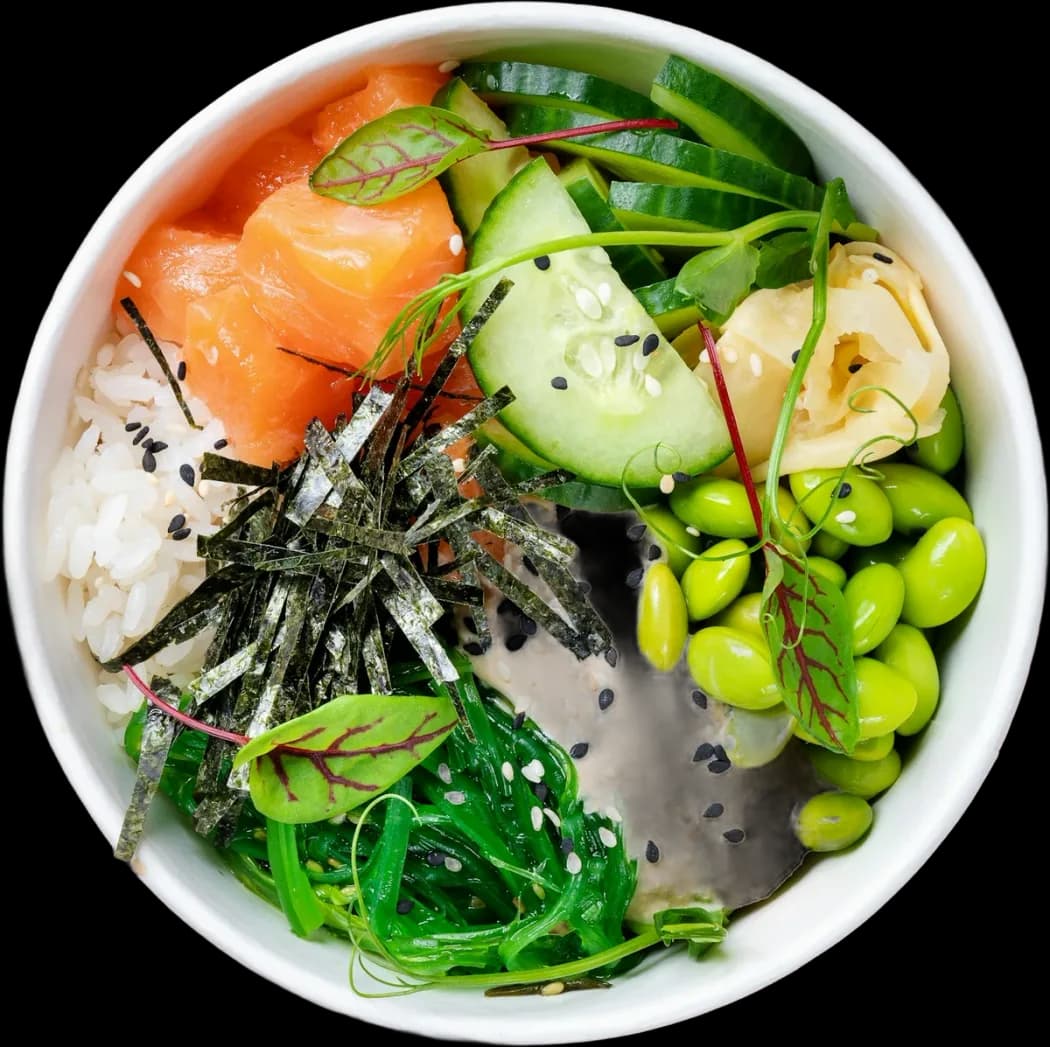
Plate scanning uses visual models to estimate portions and ingredients from an image. It solves home-cooked meals, mixed salads, and restaurant plates where there is no box to read. But visual models still estimate. When food comes in packaging with printed numbers, a barcode scan gives you direct access to the manufacturer record in under two seconds.
The mechanics of the barcode scan
Every packaged product carries a Global Trade Item Number represented by black bars and spaces. When you point your camera at the UPC or EAN code, FORM matches those digits against verified nutrition databases. Protein, carbohydrates, fat, and energy land on a meal card instantly.
A barcode bypasses visual ambiguity. A camera looking at a scoop of vanilla whey protein sees white powder. It cannot determine if that powder contains 20 grams of isolate, 24 grams of concentrate, or 50 grams of maltodextrin. The barcode reads the exact product SKU.
Matching the capture method to the meal
Efficiency comes from using the right input mode for the item in front of you. FORM supports plate photos, barcode scans, menu lookups, and typed text. Selecting the right method reduces edit time and keeps your log accurate.
- Use barcode scans for protein bars, canned tuna, Greek yogurt tubs, sliced bread, and boxed pantry staples.
- Use plate photos for plated dinners, stir-fries, bowls, and whole foods without packaging.
- Use menu scans when ordering at restaurants with published nutritional information.
- Use text search or manual entry for raw produce, bulk grains, or custom home recipes.
Adjusting the serving size
The barcode delivers the exact product profile, but you control the quantity. The meal card defaults to the standard serving defined by the manufacturer, such as one cup, two slices, or 30 grams. If your actual intake differs, adjust the multiplier or grams on the card.
Packaged food labels can change when manufacturers alter recipes. Allergen flags and micronutrient values are guidance. Always check the physical packaging if you have severe dietary restrictions or allergies.
Precision that builds the daily ring
The ring closes when your day meets your defined targets. Inaccurate entries pull your totals away from your actual intake. Logging a packaged item with a quick barcode scan eliminates guesswork on macronutrient splits and energy totals.
Logging takes seconds when you deploy the correct tool. Scan the code, confirm the serving on the card, and return to your routine. Accurate data ensures your ring is earned cleanly every single day.
FAQ
What happens if a barcode does not scan?
If a package is damaged or the code is missing from the database, use text search or snap a photo of the nutrition panel to build your meal card.
Can I edit the values from a barcode scan?
Yes. Every meal card allows you to edit protein, carbs, fat, energy, and serving quantities before saving.
Does barcode scanning require a subscription?
Downloading FORM is free. Barcode scanning, photo analysis, and detailed meal cards require an active subscription.