Food score: how healthy is this meal?
What a food score measures, how Nutri-Score and meal scores differ, why one number always simplifies a meal, and how scores feed a daily Health Score.
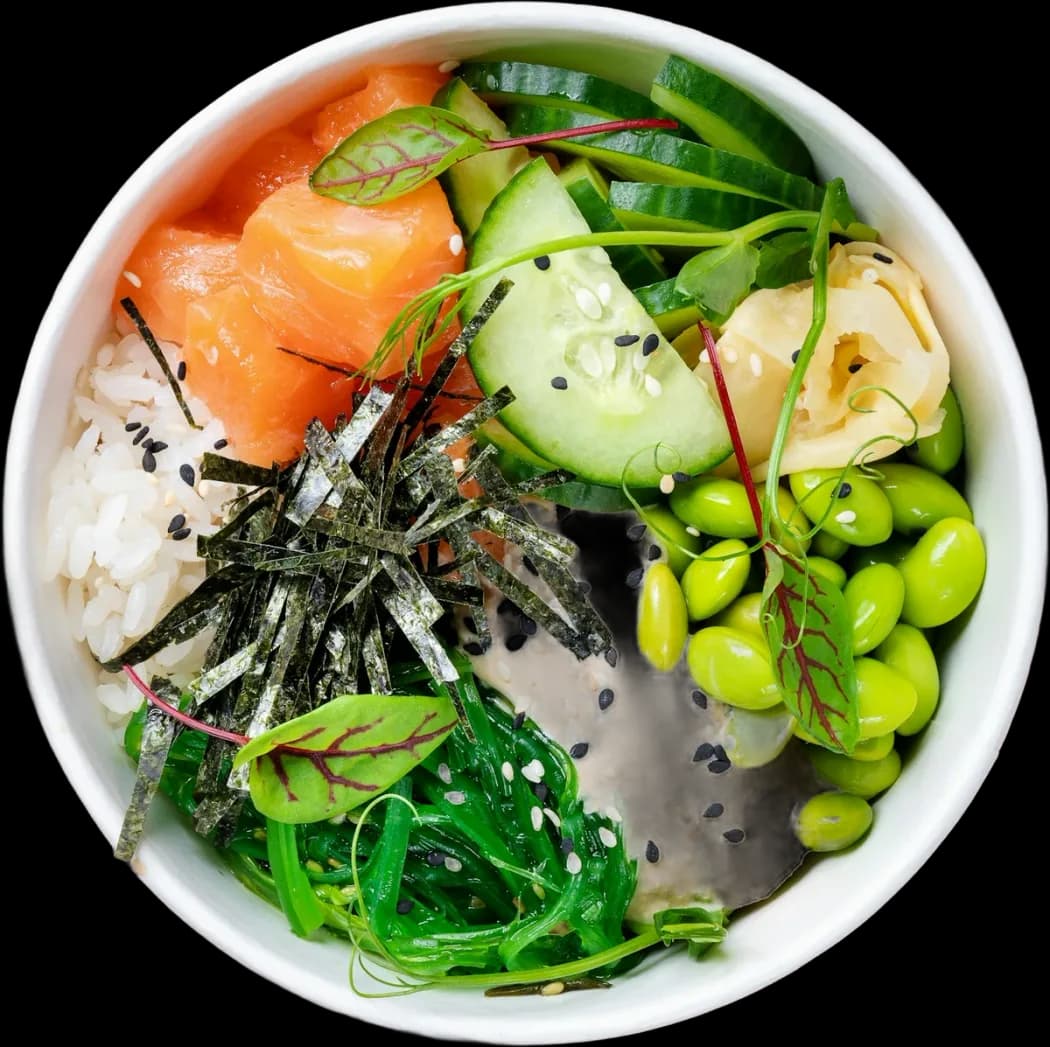
What is a food score?
A food score is a single number or grade that summarizes how nutritious a food or meal is. It weighs things linked to better health, like fiber, protein, fruit and vegetables, against things to limit, like sugar, salt and saturated fat. Nutri-Score in Europe is one example. A score is a shortcut for comparing options quickly, not a full picture of your diet.
How it works in FORM
- Log a mealScan a plate, a barcode or a menu, or describe the meal in text. Every logged meal is scored.
- Read the scoreThe meal card shows a score from 0 to 100 and a letter grade. Higher is better.
- Read the tipEach score comes with one tip to improve that meal. One change, not a list.
- Watch the trendMeal scores feed the daily Health Score, which looks back over 14 days and weights recent days most.
How food scores work
Every food score follows the same idea. Pick the nutrients that matter, give each one points, and add them up. Nutrients you want more of earn points. Nutrients to limit cost them. The details change from system to system, and those details decide which foods come out on top.
Nutri-Score, used on packaged food in France and several other European countries, grades products from A to E per 100 g. It counts energy, sugars, saturated fat and salt against fiber, protein, and the share of fruit, vegetables, legumes and nuts. Australia and New Zealand use a Health Star Rating, from half a star to five. Both rate a product on the shelf. A meal score has a different job. It rates the plate you actually ate.
Food scores compared
| Score | Rates | Scale | Where you see it |
|---|---|---|---|
| Nutri-Score | A packaged product, per 100 g or 100 ml | A to E | Front of pack in France and several other European countries |
| Health Star Rating | A packaged product | Half a star to five stars | Front of pack in Australia and New Zealand |
| FORM Food Score | A meal you logged | 0 to 100, plus a letter grade | On every meal card in FORM, with one tip |
FORM’s Food Score
Every meal in FORM gets a score from 0 to 100, a letter grade and one tip. The tip is the useful part. It names a single change that would make that meal better, the kind of thing you can act on next time. There’s no lecture and no red warning screen. A low score on a birthday dinner is information, not a verdict.
Every capture path produces a score: plate photo, barcode, menu or text. On a menu scan, every dish is scored before you order, so you can compare two options at the table instead of after.
Why any single number is a simplification
A score compresses a meal into one figure, and something always gets lost. It helps to be clear about what a food score can’t know.
- Context: a big bowl of pasta before a long ride and the same bowl on a quiet evening are different meals. The score sees the same plate.
- The rest of the day: a low-scoring lunch between a high-fiber breakfast and a solid dinner is fine. One meal is one meal.
- Your needs: kidney disease, diabetes, allergies and pregnancy all change what a good meal is. A general score isn’t medical guidance. Ask a doctor or dietitian.
- Estimate error: the score is built on the nutrition estimate. If the photo missed the oil, the score missed it too.
- The rules themselves: someone decided how much fiber is worth against how much sugar costs. Reasonable systems disagree at the edges.
So use the score to compare and to spot patterns. If most of your lunches land low, that’s worth a look. A single low score isn’t.
Moves that raise most meal scores
Scoring systems differ in the details, but most reward the same few changes. So does the daily Health Score.
- Add a plant: a side of vegetables, a handful of beans or a piece of fruit adds fiber without much energy.
- Anchor it with protein: eggs, fish, chicken, tofu, lentils or Greek yogurt make a meal more filling.
- Swap one processed item: cured meat, instant noodles and packaged snacks tend to bring salt and little fiber.
- Watch the sauce: dressings, glazes and gravies are where sugar and sodium pile up quietly.
You don’t need all four. The tip on each meal card names one change for that specific meal, which is usually enough.
How meal scores feed the daily Health Score
Your meal scores feed FORM’s daily Health Score as meal quality, one input among several. The Health Score is calculated by fixed rules, not AI. On the food side, it rises with protein, fiber, plant foods, meal quality and calories near the target set in the macro tracker. It falls with processed meals, alcohol, sodium past 2,300 mg and sugar past 50 g in a day. Outside food, water, steps, training, sleep, recovery and low stress lift it.
The Health Score looks back over 14 days and weights recent days most. That design matters for food. One heavy meal moves it a little. A week of them moves it more. On the Today dial, Food is one of five pillars, next to Sleep, Recovery, Activity and Training, and the dial averages whichever pillars have data. The health overview shows where all of it sits.
FAQ
What counts as a good food score?
On FORM’s 0 to 100 scale, higher is better. Look at your average across a week rather than any single meal.
Is the FORM Food Score the same as Nutri-Score?
No. Nutri-Score grades packaged products per 100 g. FORM’s Food Score rates the whole meal you logged and adds one tip.
Can a healthy meal get a low score?
Yes. A score follows general rules and can’t see context, like a big carb meal before a long session. Use the tip if it helps, and skip it if it doesn’t fit your day.
Does one bad meal ruin my Health Score?
No. The daily Health Score weights the last 14 days, with recent days counting most, so one meal moves it only a little.