Restaurant menu scanner: calories before you order
How to count calories when eating out: read the menu for clues, scan it before you order, and compare every dish’s calories, macros and allergens.
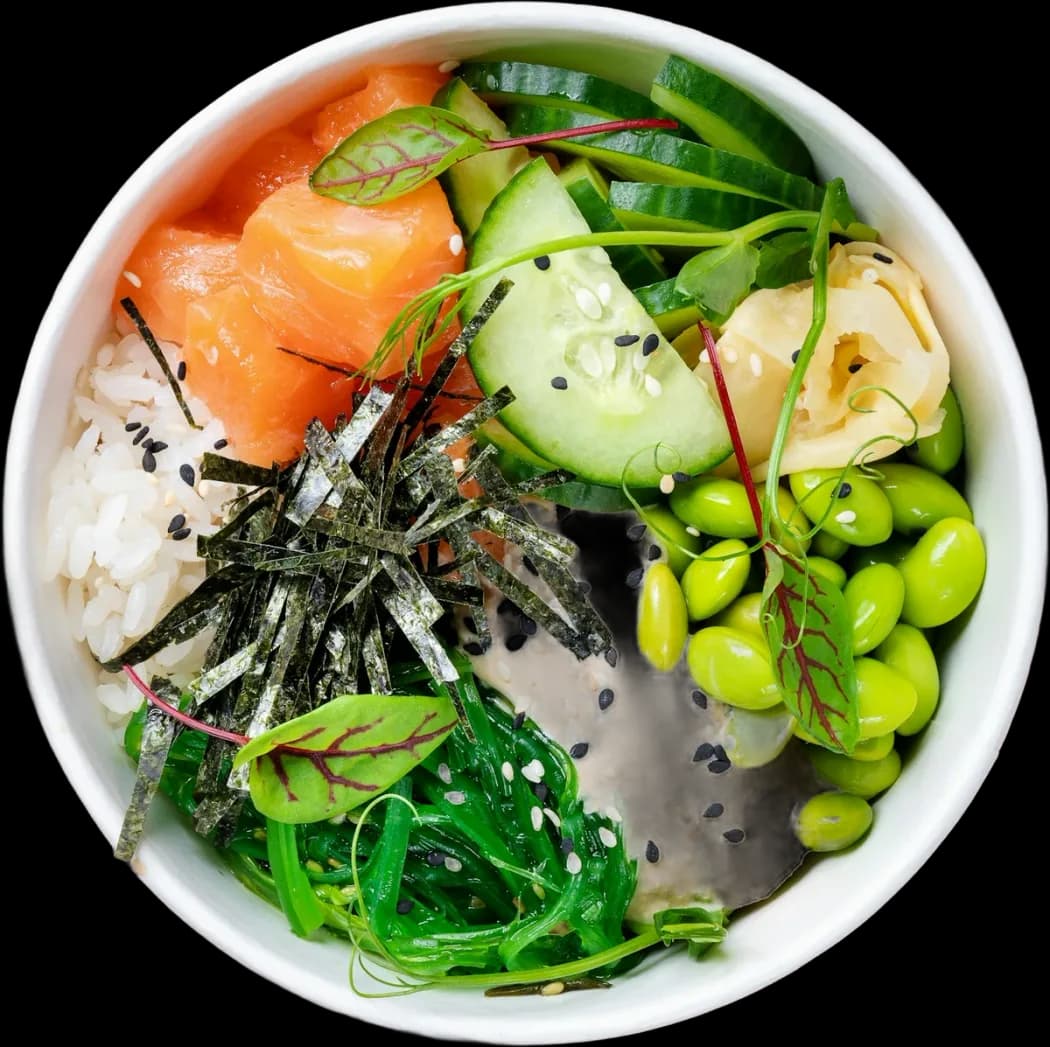
How can you count calories at a restaurant?
Check whether the restaurant publishes nutrition, since many chains do. If not, estimate the dish by its parts: the protein, the starch, the vegetables, and the oil, butter or sauce it was cooked with. Cooking words on the menu help, because fried, creamy and glazed dishes usually carry more fat or sugar. Log it while the menu is still in front of you.
How it works in FORM
- Photograph the menuOpen scan and take a photo of the menu, a single page, or the board on the wall.
- Compare the dishesEvery item FORM reads gets calories, macros, a score and allergen flags. Read them side by side before you order.
- Pick your dishTap what you ordered. Add a side, the bread or a drink as separate items if they aren’t part of the dish.
- Adjust when it arrivesIf the portion is bigger or the sauce heavier than you expected, edit the ingredients before you save.
Why restaurant meals are hard to count
At home you see every ingredient. At a restaurant you see a name and a price. The kitchen decides the portion, the oil, the butter that finishes the sauce and the dressing on the salad. Restaurant dishes tend to be larger and richer than what most people cook for themselves, and none of that is written on the menu. A database search for “chicken pasta” returns a generic entry that may have little to do with what arrives.
Some places do part of the work for you. In the United States, chain restaurants with 20 or more locations must post calories on their menus. England has required calorie labels from large food businesses since 2022. Everywhere else, you estimate.
Read the menu like a label
| Menu word | What it usually means | What to adjust |
|---|---|---|
| Fried, crispy, battered, tempura | Cooked in oil, often with a coating that soaks it up | Expect more fat than the same food grilled |
| Creamy, alfredo, gratin, béchamel | Cream, butter or cheese in the sauce | Fat and calories climb fast, protein doesn’t |
| Glazed, sticky, teriyaki, honey | A sauce with added sugar | Carbs and sugar rise, often more than you’d guess |
| Grilled, steamed, poached | Less added fat, though rarely none | Ask how much oil or butter goes on at the end |
| Loaded, smothered, stuffed | Extra cheese, sauce or fillings | Treat it as a bigger portion |
| Dressed, drizzled, tossed | An oil-based dressing or sauce | Ask for it on the side and add what you use |
What FORM does with a menu
FORM treats the menu as a list of options, not a single meal. It reads every item it can see, and each one gets its own calories, macros, a Food Score and allergen flags. You compare dishes, then pick the one you’re eating. That moves the decision to the right moment. The difference between two pastas is easier to act on before the plate arrives than after.
Once you pick, the dish behaves like any other logged meal. Open its ingredients, change a portion, or add the bread basket and the glass of wine. The menu scanning guide walks through each screen.
Where it works well, and where it struggles
- Clear menus: printed dish names with a short description give the best estimates. Listed ingredients help most.
- Vague names: a dish called “The Classic” or “Chef’s special” gives FORM little to read. Add what you know about it.
- Sharing plates: many small dishes are hard to split. Log your share as one meal and adjust the portion.
- Handwritten boards: glare, low light and script can hide items. Retake the photo closer, or type the dish.
- Allergens: flags are a first filter, not a guarantee. Kitchens change recipes and share equipment. Ask the staff when it matters.
Honest limits
A menu describes a dish. It doesn’t weigh it. Two restaurants can serve the same named dish with very different amounts of oil, cheese and sauce, and the same kitchen can drift from one night to the next. FORM’s numbers are estimates from what the menu says. They’re useful for choosing between dishes and for keeping the meal on the record. When a restaurant publishes its own nutrition, use that instead.
Eating out on a normal week
One restaurant meal rarely decides a week. The daily Health Score weights the last 14 days, with recent days counting most, so a rich dinner shows up without sinking the trend. What helps is having it on the record. A dinner guessed from memory at midnight is how weekly numbers drift. Logging at the table is what the busy week use case is built around.
For a meal you already ate somewhere with no menu in reach, a plate photo or a typed description does the same job. Either way, the dish sits on the same day as your training and sleep, so the rest of the week starts from an honest number.
FAQ
Can I scan a menu before I order?
Yes, and that’s the best time. You can compare every dish’s calories, macros and score, then order the one you want.
How accurate are restaurant calorie estimates?
Less accurate than a packaged label. Kitchens vary in portion size and oil, so treat the number as an estimate and use published nutrition when a restaurant has it.
Can I trust the allergen flags on menu items?
Use them as a first filter only. Always confirm with the staff, because recipes change and kitchens share equipment.
Does it work for takeaway and delivery menus?
Yes, if you can photograph the menu on paper or on a screen. Pick the dish, then edit the card for extra sauces or sides.